Why Geotechnical Engineering is Critical for High-Rise Buildings
Introduction
Skyscrapers impress us with their height and design—but their strength starts underground. Geotechnical engineers study the soil and rock beneath a site to ensure foundations can safely support these massive structures. Without this analysis, buildings risk settling, cracks, or delays.
Date
10.02.25
Author
MK Strata
Type
Insights
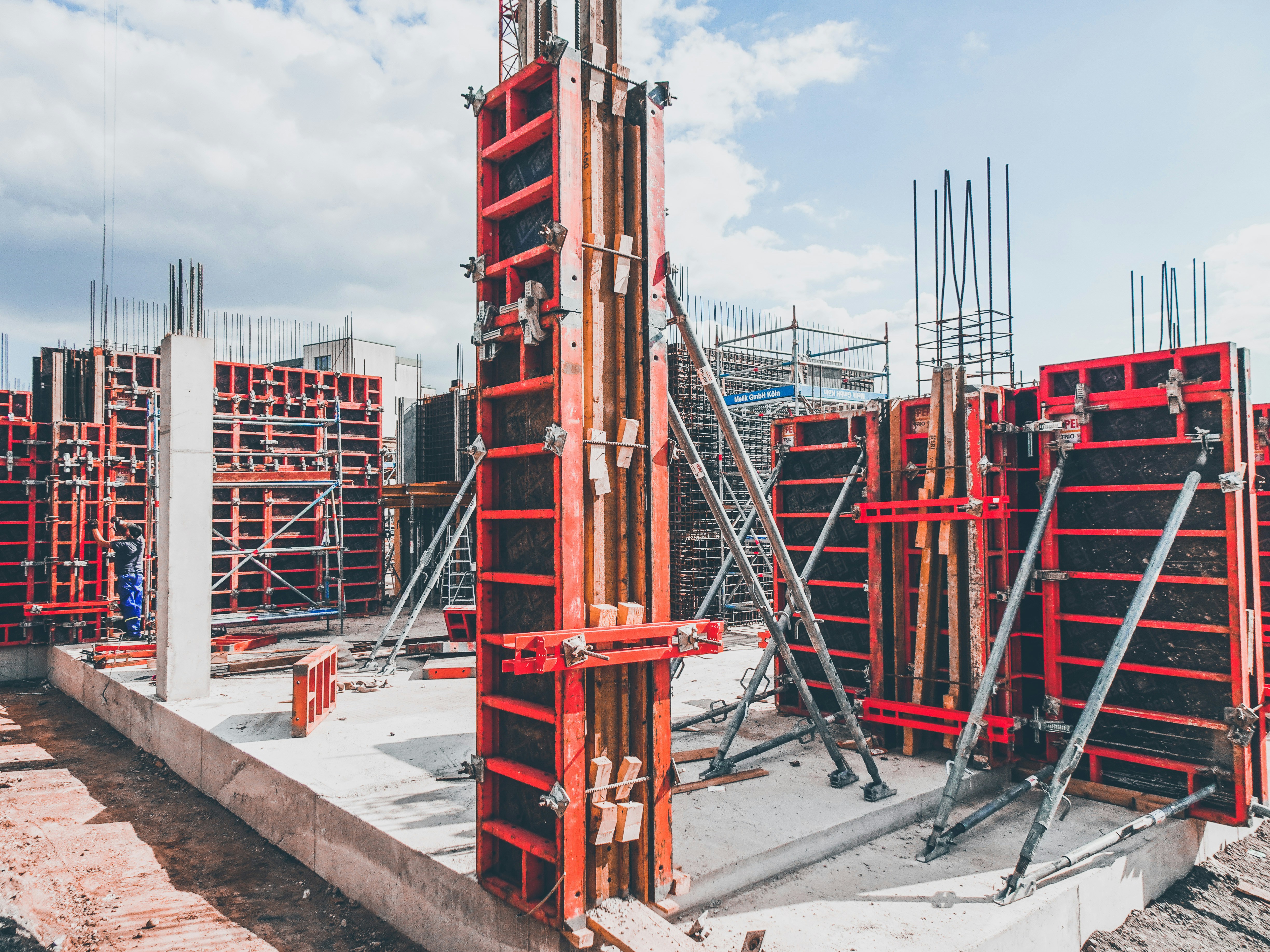
Exploring the foundations and unseen engineering that keep skyscrapers standing tall.
High-rise buildings may soar hundreds of feet into the sky, but their strength starts below ground. Skyscrapers rely on foundations designed with precision—and that precision comes from geotechnical engineering.
Before a single steel beam is installed, engineers drill boreholes, collect soil samples, and run laboratory tests. They study the soil’s load-bearing capacity, how it reacts to moisture, and whether there are any hidden hazards such as sinkholes or soft spots. For towers in urban environments, this data is even more vital because neighboring buildings and underground infrastructure must also be considered.
A recent project in downtown Miami demonstrated this perfectly. Engineers discovered a layer of soft peat just below the surface. Without proper analysis, the building could have experienced uneven settling, leading to cracks or structural failure. By designing deep pile foundations and reinforcing key areas, the project was completed safely and on schedule.
Why it matters: Every skyscraper depends on what lies beneath the surface. Geotechnical studies reduce risk, save money, and ensure the safety of both workers and future occupants.
Let's Get to Work
