The Hidden World Beneath Your Feet: Understanding Subsurface Soils
Introduction
Skyscrapers impress us with their height and design—but their strength starts underground. Geotechnical engineers study the soil and rock beneath a site to ensure foundations can safely support these massive structures. Without this analysis, buildings risk settling, cracks, or delays.
Date
10.31.25
Author
MK Strata
Type
Insights
The Digital Shift in Logistics
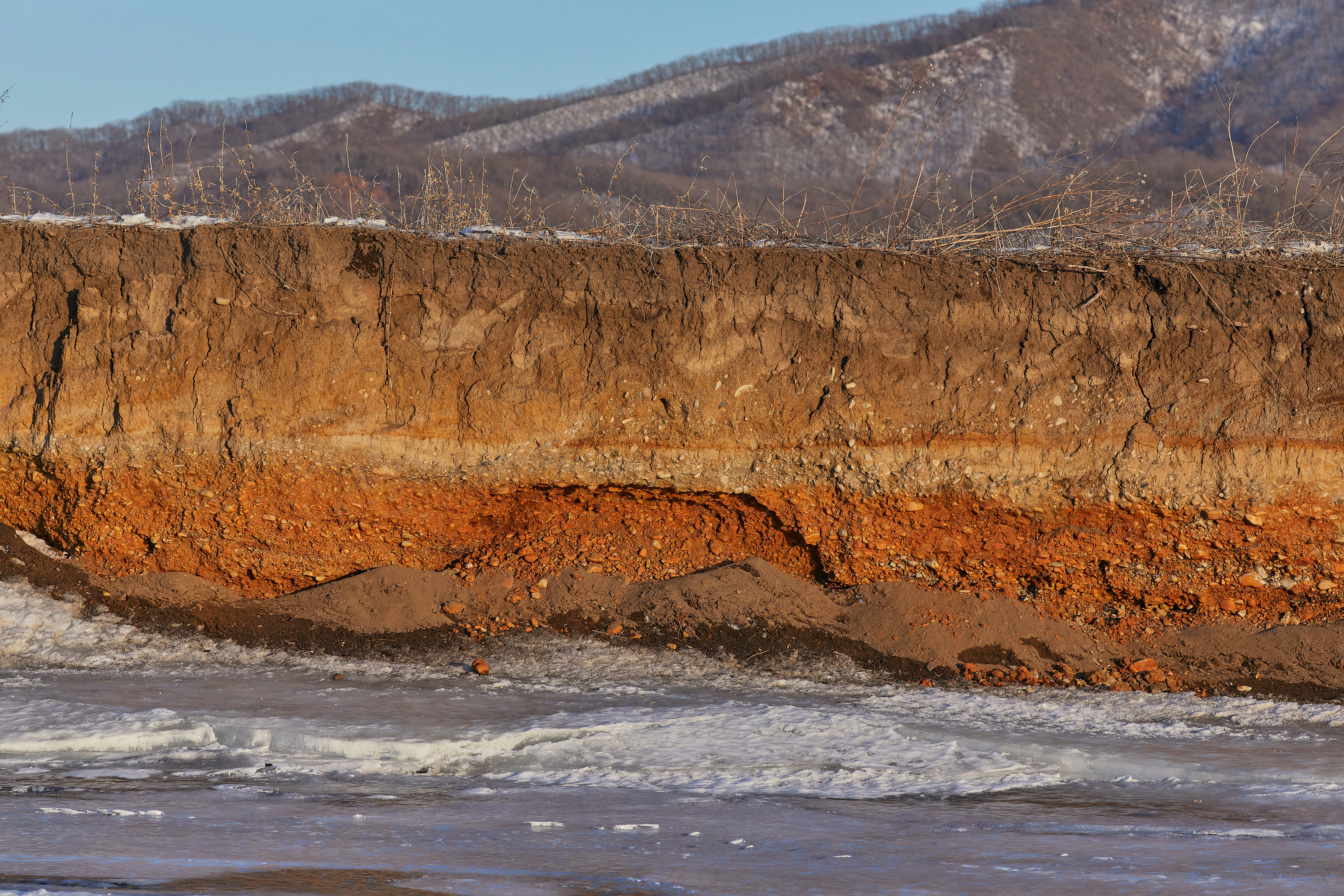
Most people never think about what lies beneath their feet—but in construction, what’s underground is everything. The soil and rock layers under a site determine whether a building stands strong for decades or starts to settle and crack from day one.
Geotechnical engineers spend their days investigating these hidden layers, taking soil samples, and performing tests to understand their composition and behavior. Clay, for example, can expand and shrink with moisture, while sandy soils may drain quickly but lack strength. Rocky soils offer stability but can be difficult and expensive to excavate. Knowing these differences is critical when designing foundations, retaining walls, and other structural elements.
Take the example of a mid-rise apartment project in Florida. Initial plans assumed the soil was mostly sand, but geotechnical testing revealed pockets of soft clay. With this insight, engineers redesigned the foundation, adding deeper piles and adjusting load calculations. The result? A stable building and zero costly delays during construction.
Why it matters: Ignoring subsurface conditions is one of the fastest ways a project can run over budget or face safety risks. By understanding the soil beneath the surface, engineers can make informed decisions and give clients confidence that their structure will last.
Let's Get to Work
